
ㅤㅤㅤㅤㅤㅤㅤㅤㅤㅤㅤㅤㅤㅤㅤㅤㅤㅤㅤㅤㅤ
ㅤㅤㅤㅤㅤㅤㅤㅤㅤㅤㅤㅤㅤㅤㅤㅤㅤㅤㅤㅤㅤ
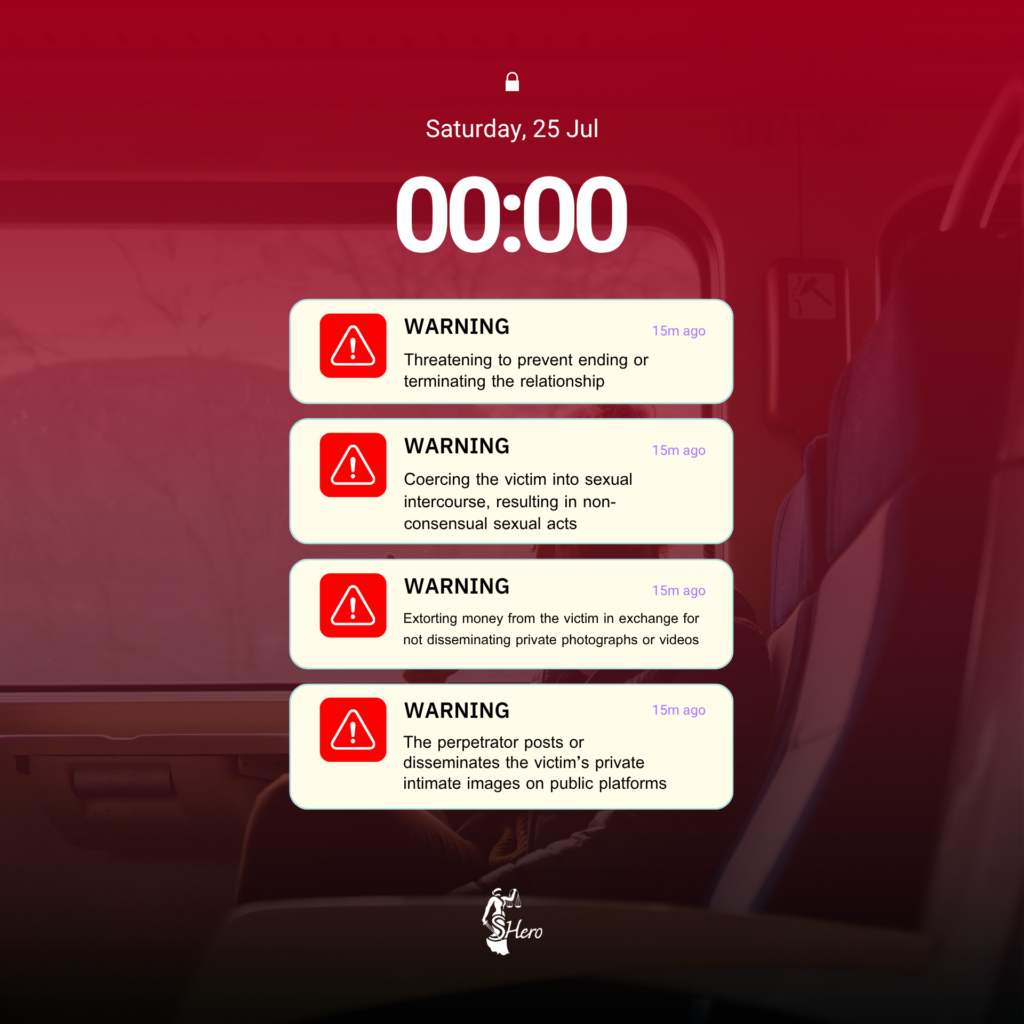
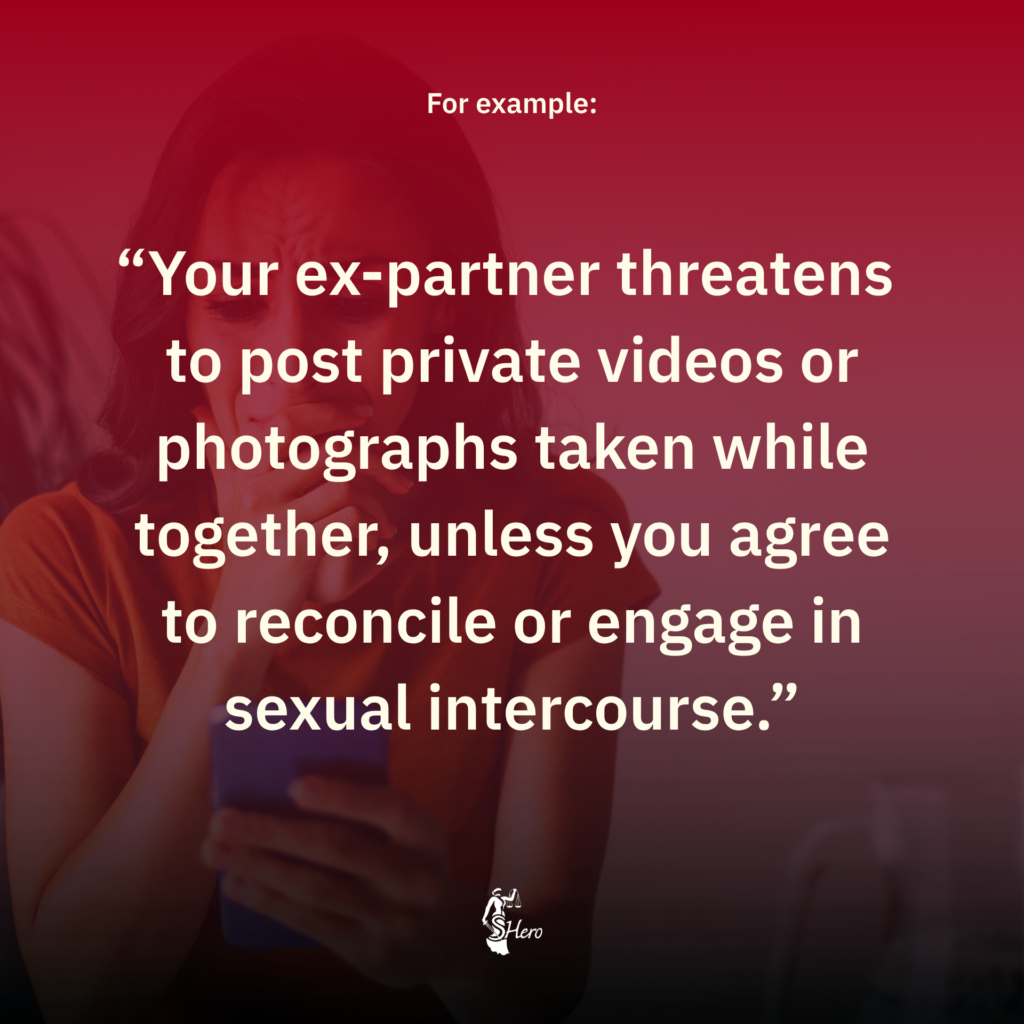
Sextortion refers to the use of threats to disclose “intimate images” (photographs or video recordings of a private sexual nature) to coerce victims into complying with demands, such as:
Monetary payment
Sending additional intimate images
Engaging in sexual acts
Submitting to power and control
Perpetrators may include partners, ex-partners, close acquaintances, or fraudster scammers who build romantic relationships online (Love Scammers). However, the majority of international quantitative research (e.g. Wolak et al., Patchin & Hinduja, and Finkelhor et al.) consistently demonstrates that perpetrators of Sextortion are significantly more likely to be “intimate partners or close acquaintances”—individuals known in real life—rather than strangers or superficial online scammers.
ㅤㅤㅤㅤㅤㅤㅤㅤㅤㅤㅤㅤㅤㅤㅤㅤㅤㅤㅤㅤㅤ
ㅤㅤㅤㅤㅤㅤㅤㅤㅤㅤㅤㅤㅤㅤㅤㅤㅤㅤㅤㅤㅤ
Therefore, in the deeper dimension of an Intimate Partner context, perpetrators may not act primarily for financial gain (as in the case of scammers or organised crime groups), but rather to demonstrate power and exert coercive control, keeping the other person tied to the relationship against their consent.
To maintain relational control and coerce the victim:
Perpetrators use threats of revealing private images or videos on social media platforms, or circulating them to the victim’s family, friends, and workplace. These images or videos become tools to instill a profound fear of reputational damage. Such behaviors aim to force victims into involuntary compliance, whether by preventing the termination of the relationship, forcing reconciliation, compelling sexual acts, or coercing the victim into sending further private images or clips in exchange for not re-disseminating the data.
To curtail rights and obstruct access to justice:
Perpetrators utilise private media as an instrument of intimidation to deter victims from reporting the crime, pursuing legal proceedings, or accessing legal protection measures, such as applying for temporary protection orders from the court, as well as leveraging threats regarding child custody rights.
Furthermore, Sextortion may aim to enact retaliation, inflict shame, and establish emotional domination.
Threatening to disclose private media is not merely blackmail to force an act or omission; it directly aims to cause emotional distress and destroy the victim’s self-esteem. It represents another form of power used to control an individual’s social and emotional life, such as retaliating after a relationship rejection, or threatening to publicise images to reveal the victim’s sexual orientation and gender identity (Outing) to those around them.
Victims should systematically collect and preserve all forms of evidence that demonstrate threats and harassment. This includes saving URLs of the perpetrator’s user accounts across various online platforms, chat logs, voice recordings, or video clips capturing the perpetrator’s conduct.
Additionally, gather any information that identifies the perpetrator, such as their full legal name, social media profiles, clear photographs showing their face, bank account numbers, and any other relevant details to serve as evidence for criminal prosecution.
Experiencing threats and harassment inevitably impacts a victim’s mental health. Psychological healing is a primary priority. Victims should seek support from trusted friends or confidants who can listen, offer advice, and provide emotional encouragement.
Furthermore, victims should avoid direct engagement with the perpetrator to minimise exposure to repeated threats, which not only degrades mental well-being but also increases the risk of escalating the situation.
Reporting the perpetrator’s account to suspend their social media access is another avenue to help victims extract themselves from the cycle of harassment (Note: Ensure all evidence is fully preserved prior to blocking or reporting).
Currently, the specific offence of threatening to disclose sexual content for sexual exploitation (Sextortion) is under legislative process and review in Thailand.
However, under existing foundational legal frameworks, threatening to disclose sexual content for sexual exploitation constitutes compelling another person to perform or abstain from an act, which falls under Section 309 of the Criminal Code—a general provision broadly covering coercion.
Furthermore, if the threat involves demanding money or assets from the victim in exchange for non-disclosure, the conduct satisfies the specific elements of extortion under Section 338, which carries a heavier statutory penalty (imprisonment from 1 to 10 years).
Additionally, if the threat does not demand assets but compels the victim to engage in non-consensual sexual acts, it may satisfy the element of “intimidation by any means,” which serves as a crucial factor in proving the lack of consent in sexual intercourse under Section 276.
Requesting a court order to restrain dissemination and remove pornographic content from computer systems (pursuant to Section 284/4 of the Criminal Code).
Following the dissemination of pornographic data or online sexual harassment—which constitutes an offence under Section 284/1 of the Criminal Code and causes continuous damage until the data is removed—the Ministry of Justice has established victim protection measures to immediately halt ongoing damage.
Requesting the removal of such data does not constitute an “adjudication of guilt”; therefore, the court does not need to await the final trial verdict or sentencing.
Eligible applicants include:
The victim who is subject to sexual harassment through the data; or
Competent officials, including inquiry officers in sexual harassment cases or authorized officers under computer crime legislation.
Preparing the Petition and Evidence:
Petition Details: Must specify sufficient facts showing that the data is “obscene” as defined by criminal law (e.g., still photos, moving images, or sexually explicit text) and specify technical details regarding the computer system, such as URLs, platforms, or websites hosting the data.
Perpetrator Identification: If the identity of the person who uploaded the data is known, state it in the petition. However, if the applicant does not know who uploaded the data, identification is not strictly required.
Evidence: Prepare photographs, printed documents, or screenshots to present to the court during the hearing (which can be conducted in camera/privately), or present the computer system data directly to the court on the scheduled date.
Petitions can be submitted in person at the court or electronically via the Courts Information System for Citizen (CIOS), as well as through electronic court proceedings (under Section 15 of the Criminal Procedure Code).
Courts with Jurisdiction: Applications may be submitted to courts of first instance with criminal jurisdiction, such as the provincial court in the jurisdiction where the data was accessed/found, or the Bangkok South Criminal Court, Thon Buri Criminal Court, Taling Chan Criminal Court, etc. If a primary criminal case regarding the sexual harassment is already pending before a court, the petition may be filed directly with that court.
Upon finding the petition justified, the court may issue orders to relevant parties as follows:
Order the uploader to cease dissemination and remove the data within a specified timeframe.
Order system controllers or Service Providers to restrain dissemination or delete the data, even if the uploader’s identity remains unknown.
Order competent officials to carry out the restraint or deletion of data pursuant to the court order.
(The court may issue orders to all aforementioned parties simultaneously.)
Following execution, parties receiving the order are obligated to report the outcome to the court within 15 days from the date of receiving notice. Non-compliance with the court order constitutes an offence under Section 284/4, second paragraph, subject to imprisonment not exceeding 6 months, a fine not exceeding 10,000 Baht, or both.
References:
Ray A, Henry N. Sextortion: A Scoping Review. Trauma Violence Abuse. 2025 Jan;26(1):138-155. doi: 10.1177/15248380241277271. Epub 2024 Sep 25. PMID: 39323232; PMCID: PMC11558931.
International Affairs and Public Relations Division, Office of the Judiciary: https://iprd.coj.go.th/th/content/category/detail/id/10241/iid/536216